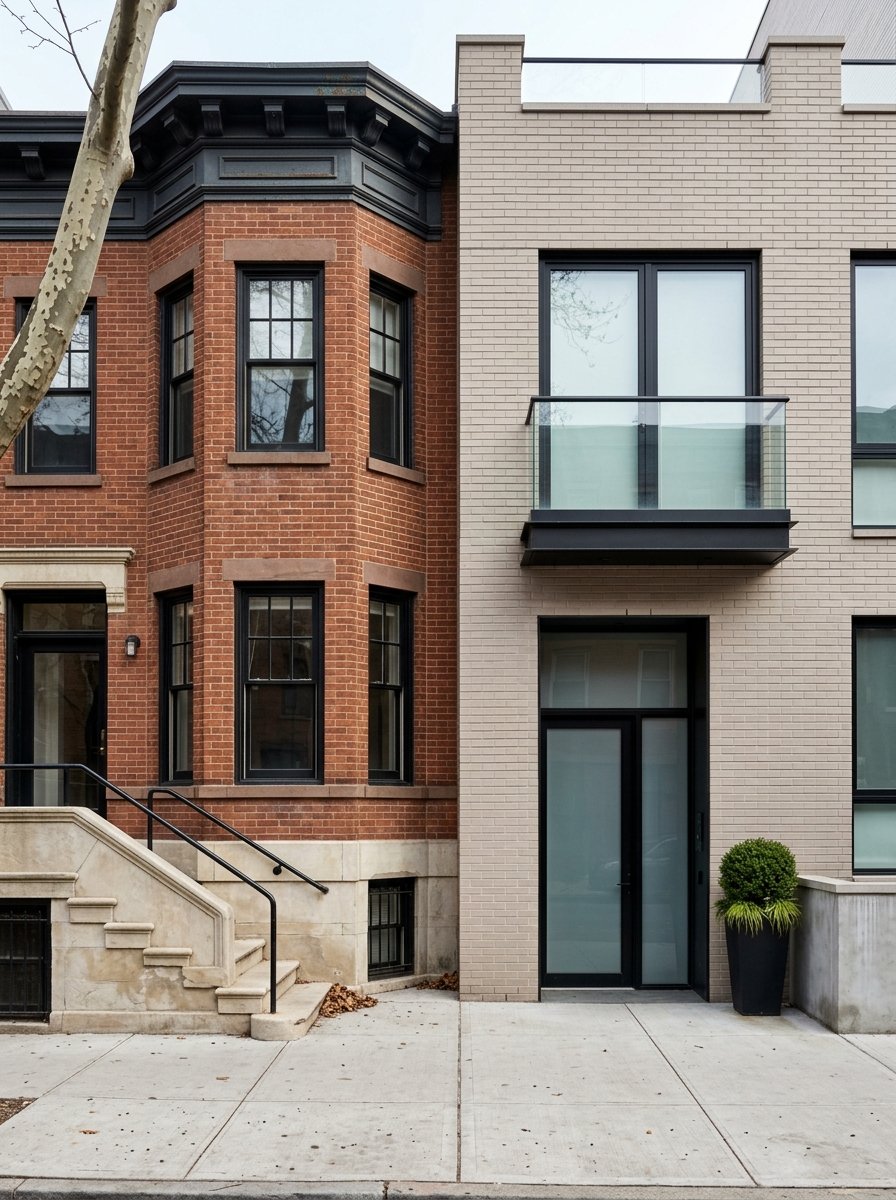
Wondering whether a vintage home or new construction makes more sense in Lincoln Park? You are not alone. In a neighborhood known for historic streetscapes and modern luxury development alike, the right choice often comes down to how you want to live, what costs you are comfortable carrying, and how much upkeep you want to take on. This guide will help you compare both options so you can make a more confident move in Lincoln Park. Let’s dive in.
Why Lincoln Park Makes This Choice Unique
Lincoln Park is not just one of Chicago’s best-known residential areas. It is also a neighborhood shaped by a long architectural history, with preserved streetscapes and several landmark districts that help define its identity.
That matters because your decision here is not simply old versus new. In Lincoln Park, you are often choosing between homes with deep architectural character and homes designed for modern convenience, efficiency, and a more turnkey ownership experience.
What Counts as a Vintage Home
In Lincoln Park, vintage housing often includes two-flats, three-flats, rowhouses, worker’s cottages, and older masonry buildings with Italianate or similar historic details. Many of these homes were built in the early 1900s and feature brick or greystone façades, bay windows, ornate cornices, and strong street presence.
These homes are also part of a finite supply. Chicago’s traditional two-flats and three-flats are no longer being built by developers, so surviving examples carry a sense of scarcity that can matter to buyers who value original housing stock.
What Buyers Often Love About Vintage Homes
Vintage homes tend to appeal to buyers who want details that are hard to replicate in newer construction. In Lincoln Park, that can mean masonry exteriors, decorative trim, historic proportions, and a connection to the neighborhood’s long-established feel.
You may also find that these homes offer a more distinctive look from one property to the next. If you care about charm and individuality, that can be a major advantage.
What Buyers Should Watch For
Character often comes with tradeoffs. Vintage homes may have more stairs, narrower lots, and layouts that feel less open than a newer condo or single-family home.
Older homes can also bring more maintenance uncertainty. If the home was built before 1978, lead-based paint may be present, and any renovation that disturbs it should be handled by lead-safe certified firms. Many older homes also have less insulation than homes built today, which can affect comfort and utility costs until upgrades are made.
What New Construction Usually Offers
New construction in Lincoln Park usually attracts buyers who want a home that feels move-in ready from day one. Certified new homes are often built to rigorous efficiency, comfort, health, and durability standards, and they are independently verified.
That can make the first few years of ownership feel more predictable. In many cases, new-home warranties also cover workmanship and materials for key components like windows, HVAC, plumbing, and electrical systems, with limited coverage periods that may include first-year, two-year, and some structural protection.
Why New Construction Feels Easier
For many buyers, the biggest draw is reduced first-year uncertainty. You are less likely to move in and immediately face major insulation upgrades, aging systems, or deferred exterior work.
In condo buildings, new construction can also shift some responsibilities into shared systems and common areas. That can make day-to-day ownership feel lower maintenance, especially if you prefer less hands-on upkeep.
The Tradeoff With New Construction
Lower maintenance does not always mean lower monthly cost. Condo or HOA dues are usually separate from your mortgage payment, and they can range from a few hundred dollars a month to more than $1,000.
Those fees often support common-area management and certain shared building costs. So while a new-construction condo may feel easier to own, you still need to evaluate the full monthly payment, not just the purchase price.
Compare Total Monthly Cost, Not Just Price
One of the biggest mistakes buyers make is comparing vintage and new construction based only on list price. A better approach is to look at the full carrying cost of each option.
Your total monthly housing cost can include:
- Mortgage principal and interest
- Property taxes
- Homeowner’s insurance
- Supplementary insurance
- HOA dues, if applicable
- Utilities
- Ongoing maintenance
In Lincoln Park, this matters a lot. A newer condo may come with a higher HOA payment, while a vintage house or smaller building may have little or no HOA but a less predictable repair budget.
Maintenance: Predictable Versus Flexible
Maintenance is often the real dividing line between these two choices. New construction usually offers more predictability in the early years, while vintage ownership can require more planning and a stronger repair reserve.
That does not mean vintage is the wrong choice. It means you should go in with clear expectations about potential costs such as repainting, insulation upgrades, window work, and other deferred maintenance.
Vintage Maintenance Questions to Ask
If you are considering an older home in Lincoln Park, it helps to ask focused questions early. That can give you a clearer picture of both condition and future spending.
Consider asking about:
- Age of major systems
- Window condition and repair history
- Insulation and energy performance
- Exterior masonry or roof maintenance
- Any known lead-safe renovation work, if applicable
- Recent improvements versus deferred items
New Construction Questions to Ask
Newer homes deserve careful review too. A warranty can be helpful, but it will not cover every issue, and exclusions matter.
Ask about:
- What the warranty covers
- How long each coverage period lasts
- What is excluded from coverage
- Current and projected HOA dues, if any
- What the HOA maintains
- Building policies for repairs and common areas
Landmark Status Can Affect Your Plans
Lincoln Park includes multiple landmark districts, so this is an important part of the vintage versus new conversation. If a property is an individual landmark or located in a landmark district, the City of Chicago’s Landmarks office may review proposed alterations, demolition, and new construction affecting that property.
Routine maintenance like painting and minor repairs does not require a permit. But larger exterior changes may affect your design choices, contractor planning, and renovation timeline.
What Landmark Status Does and Does Not Mean
Some buyers worry that landmark rules freeze a property in time. That is not the case.
You can still maintain and update a landmarked home, but major exterior work may be reviewed. It is also worth knowing that landmark designation does not directly change Cook County valuation or tax rate.
Resale in Lincoln Park Often Comes Down to Buyer Fit
When clients ask which option has better resale, the answer is usually more nuanced than vintage or new. In Lincoln Park, both can perform well when the property is well located, well maintained, and aligned with what buyers in that segment want.
Vintage homes often attract buyers who value historic detail and neighborhood character. New construction often appeals to buyers looking for efficiency, convenience, and lower near-term repair risk.
Which Buyer Are You?
You may lean toward vintage if you:
- Value original architectural detail
- Want a home with distinct character
- Are comfortable budgeting for future maintenance
- Appreciate Lincoln Park’s preserved streetscapes
You may lean toward new construction if you:
- Want a more turnkey move
- Prefer modern layouts and systems
- Value energy efficiency
- Want more predictable first-year ownership costs
How to Make the Right Choice
There is no one-size-fits-all answer in Lincoln Park. The better choice depends on your budget, your timeline, your tolerance for upkeep, and the kind of home experience you want day to day.
If you are deciding between vintage and new construction, focus on the full picture. Look at monthly cost, maintenance exposure, building rules, and long-term fit, not just finishes or headline price.
With the right strategy, either option can be a smart move. If you want help comparing Lincoln Park homes side by side and understanding what the numbers really mean, Jackie Manrique can help you evaluate your options with clear, personalized guidance.
FAQs
What is considered a vintage home in Lincoln Park?
- In Lincoln Park, vintage homes often include older two-flats, three-flats, rowhouses, worker’s cottages, and masonry buildings with historic architectural details such as brick or greystone façades, bay windows, and decorative cornices.
Are vintage homes in Lincoln Park always cheaper than new construction?
- Not necessarily. A vintage home may have lower or no HOA dues, but it can also come with higher maintenance, repair, or energy-upgrade costs.
Do new construction homes in Lincoln Park have lower maintenance?
- Usually in the first years, yes, but lower maintenance does not mean no maintenance, and warranties may have limits or exclusions.
Do Lincoln Park landmark rules stop you from renovating a vintage home?
- No. Routine maintenance is generally allowed, but major exterior changes for landmarked properties or properties in landmark districts may be reviewed by the City of Chicago.
Should Lincoln Park buyers compare HOA fees when choosing new construction?
- Yes. HOA dues are often separate from the mortgage and can materially change your total monthly housing cost.
Is resale better for vintage or new construction homes in Lincoln Park?
- Both can resell well in Lincoln Park. In many cases, resale depends more on location, condition, maintenance, and whether the home matches what buyers in that segment are looking for.
