If city life feels heavier than it used to, you are not alone. Many Chicago homeowners reach a point where less upkeep, a quieter setting, and a more predictable daily routine start to matter more than staying in the middle of everything. If Park Ridge is on your radar, this guide will help you think through what downsizing here can really look like, from housing options and commute access to timing your Chicago sale with your next move. Let’s dive in.
Why Park Ridge appeals to downsizers
Park Ridge offers a different pace without feeling disconnected from Chicago. The city is about 15 miles northwest of downtown Chicago, and local sources describe it as close to O'Hare, major expressways, and rail transportation.
That mix can matter when you want a simpler lifestyle but still want access to the city. You may be leaving behind the density and upkeep of an urban home, but you do not have to give up convenience altogether.
The area also shows signs of long-term residential stability. According to Census QuickFacts, 84.8% of housing units are owner-occupied, 92.8% of residents lived in the same house one year earlier, and 20.2% of residents are age 65 or older.
Those numbers do not tell you whether Park Ridge is right for you on their own. What they do suggest is a settled, ownership-focused community that may feel like a natural fit if you are ready for a more rooted next chapter.
What downsizing means in Park Ridge
Downsizing in Park Ridge is best thought of as right-sizing, not bargain hunting. Census QuickFacts places the median value of owner-occupied homes at $551,200, which means this is not simply a low-cost substitute for city living.
Instead, the move is often about trading space, layout, or maintenance demands for a home that better matches your current needs. You may want fewer stairs, less exterior work, a smaller footprint, or a home that is easier to lock and leave.
Park Ridge does offer more than one type of housing, but the mix matters. DePaul University's 2024 housing profile shows the local stock is 72.7% single-family, 16.5% condominium, 3.3% in 2 to 4 unit buildings, and 7.4% in buildings with 5 or more units.
That means lower-maintenance options exist, but they are not the majority of the market. If you are focused on condos or attached living, it helps to start your search with realistic expectations about supply.
Housing choices to consider
Single-family homes
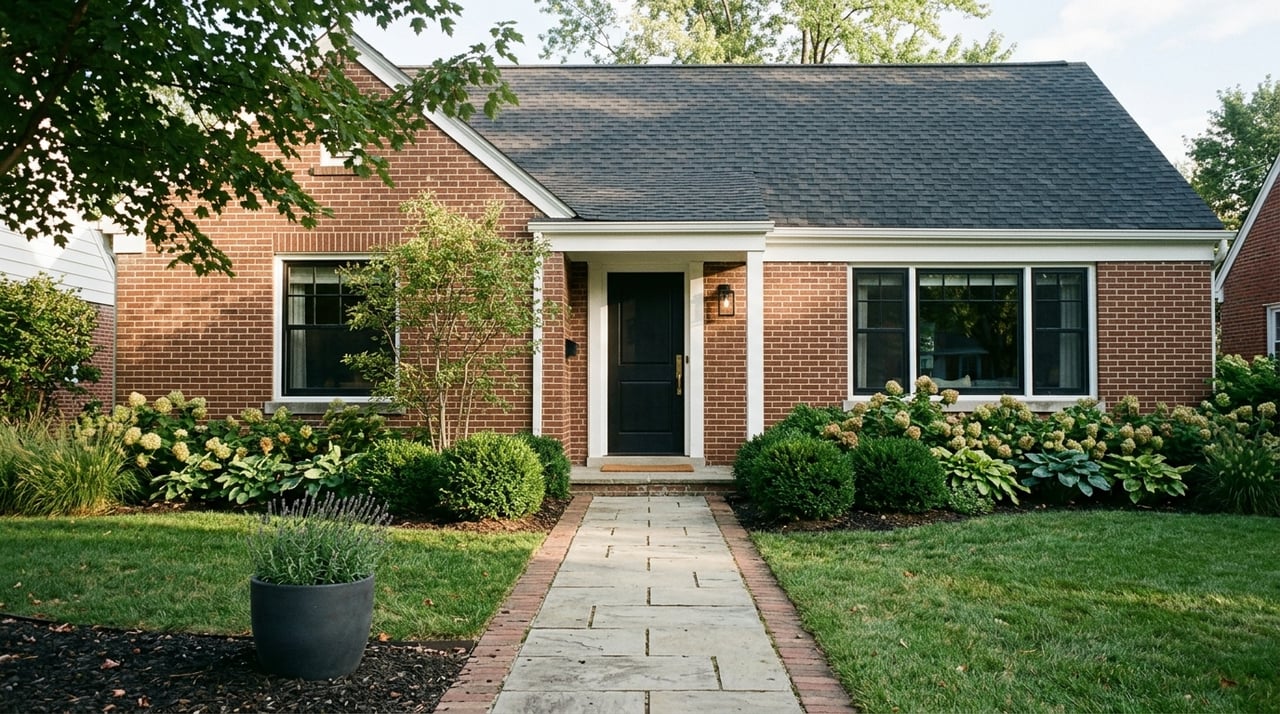
If you still want privacy and outdoor space, a smaller single-family home may be the right bridge between city living and full downsizing. In Park Ridge, single-family housing makes up most of the local stock, so you will likely see more choices in this category.
This option can work well if you are not ready to give up a yard, storage, or separate living areas. The tradeoff is that exterior maintenance and ongoing home care usually remain part of the picture.
Condominiums
Condos can be a strong fit if your goal is to reduce maintenance and simplify everyday living. Since 16.5% of Park Ridge housing stock is condominium inventory, there are options, though not as many as in many Chicago neighborhoods.
For many city sellers, condo living in Park Ridge can feel familiar in the best way. You may keep a more compact lifestyle while gaining a quieter environment and easier access to suburban amenities.
Smaller attached or multifamily-style options
Park Ridge also includes a smaller share of 2 to 4 unit buildings and larger multifamily buildings. These can be worth exploring if you want something in between a traditional condo and a detached house.
Because these segments make up a smaller part of the market, availability may vary. A focused, early search is often the best way to avoid feeling rushed when the right fit appears.
What the resale market tells you
A downsizing move works better when you have actual choices and a market with enough activity to support your timeline. DePaul University's 2024 profile reports 545 residential sales in Park Ridge during 2024, including 435 single-family sales and 100 condominium sales.
That is useful because it points to an active resale market, not an unusually thin one. In practical terms, you are not searching in a place where almost nothing ever trades.
For you, that can mean two things. First, there is meaningful market movement across property types. Second, planning still matters because the smaller condo and attached-home segments may offer less inventory than single-family homes.
Daily life after the move
A successful downsize is not only about square footage. It is also about whether your everyday routine feels easier, more enjoyable, and more connected to the things you actually use.
Park Ridge offers a broad mix of local amenities through the park district. The district says it provides hundreds of classes, special events, summer camps, and program series each season, along with parks and pavilions across the city.
Centennial Fitness Center includes a track, pool, gym, and group fitness. South Park Recreation Center offers event space, Wi-Fi, and access to park amenities near the Kennedy Expressway.
If you are trying to picture your week-to-week lifestyle, these details matter. They suggest you can build routines around fitness, events, and outdoor spaces without needing to drive far for every activity.
Community resources that support a simpler lifestyle
The Park Ridge Public Library adds another layer to daily convenience. Its mission emphasizes community learning and connection, and board materials note home-delivery services for patrons who cannot easily get to the building.
That may not be the first detail you think about when you begin a home search, but it says something important about the community. Local support systems can shape how comfortable and sustainable your next move feels over time.
You will also find activity in Downtown and Uptown Park Ridge. The chamber calendar lists recurring events such as Taste of Park Ridge in Uptown, Market After Dark, Cruisin' Park Ridge at the Library Lot, Winterfest, and Pickwick-area holiday programming.
Dining is part of the local routine as well, with chamber listings that include places like Pennyville Station and Patina Wine Bar in downtown Park Ridge. If you still want easy outings and a sense of local activity, that can be a meaningful part of the transition from city life.
Commuting from Park Ridge
One common concern about leaving Chicago is whether your world will suddenly become car-only. Park Ridge offers a more flexible picture.
Metra's Union Pacific Northwest line includes both Park Ridge and Dee Road stations, and Metra marks both as accessible. The same guide shows service to Ogilvie Transportation Center in Chicago.
For you, that means a move to Park Ridge does not automatically end the possibility of a rail-based downtown routine. Even if you work hybrid, visit the city often, or simply want the option, that transit connection can make the shift feel much less drastic.
Road access matters too. Local sources also emphasize proximity to major expressways, which can help if your routine includes family visits, airport trips, or driving into other parts of the metro area.
How to coordinate your Chicago sale
The hardest part of downsizing is often not deciding where to go. It is lining up the sale of your current Chicago home with the purchase of your next one in a way that feels manageable.
Fannie Mae recommends reviewing local inventory, recent sales, and housing prices early, then deciding whether you need a quick sale or more time to find your next home. That guidance is especially useful when your move involves both a lifestyle change and a shift in housing type.
If you are moving from a larger city property into a smaller Park Ridge home, your timeline strategy matters. The more work you do upfront, the more options you usually have when the right listing appears.
Start seller prep before urgency kicks in
Preparing your Chicago home early can lower stress later. According to NAR, staging is about decluttering and styling the home so buyers can envision living there.
NAR also notes that preparing to sell should include gathering warranties, understanding disclosure requirements, and planning for any pre-sale inspection findings. In other words, seller prep is not just cosmetic.
If you wait until you are already trying to write an offer in Park Ridge, every unfinished task can feel more urgent. Starting early gives you more control over pricing, presentation, and timing.
Know your timing tools
Several common tools can help bridge the gap between homes. NAR says sellers who accept a home-sale or home-close contingency may continue showing the property, use a kick-out clause, and sometimes negotiate a rent-back.
Those options can help if you want flexibility while reducing the risk of carrying two homes at once. The right fit depends on your financial picture, your comfort with uncertainty, and how much timing pressure you are under.
The CFPB defines a bridge loan as a temporary loan of 12 months or less, including one used to buy a new dwelling when the consumer plans to sell the current dwelling within 12 months. For some movers, that can be part of the solution when timing does not line up cleanly.
Temporary housing can also be worth considering if your top priority is selling well first and buying carefully second. It is not always the first choice, but it can create breathing room when inventory or timing is tight.
A smart way to approach the move
If you are thinking about downsizing from the city to Park Ridge, try to approach the decision in two tracks at once. One track is emotional and practical: what kind of daily life do you want next?
The other track is strategic: what housing type fits, what is your likely sale timeline in Chicago, and how much flexibility do you need between transactions? When those two tracks line up, the move usually feels far more manageable.
A Park Ridge downsize can be a strong fit if you want a stable suburban setting, access to parks and community amenities, rail access to Chicago, and housing options that support a lower-maintenance lifestyle. The key is making the move with a plan, not just a preference.
If you are weighing a move from Chicago to Park Ridge and want a clear, personalized plan for both the sale and the search, connect with Jackie Manrique for responsive, data-informed guidance tailored to your next step.
FAQs
What makes Park Ridge appealing for downsizing from Chicago?
- Park Ridge offers a more settled suburban setting with access to rail transportation, major expressways, parks, events, and community resources, while still being about 15 miles from downtown Chicago.
What housing types are available in Park Ridge for downsizers?
- Park Ridge housing is mostly single-family, but it also includes condominiums, 2 to 4 unit buildings, and larger multifamily buildings, giving you several ways to right-size based on your goals.
Is Park Ridge a lower-cost alternative to city living?
- The research supports framing Park Ridge as a right-sizing move rather than a low-cost substitute, with Census QuickFacts showing a median owner-occupied home value of $551,200.
Can you still commute to downtown Chicago from Park Ridge?
- Yes. Metra's Union Pacific Northwest line serves both Park Ridge and Dee Road, with access to Ogilvie Transportation Center in Chicago.
How should you time a Chicago home sale with a Park Ridge purchase?
- Start early by reviewing inventory and recent sales, preparing your current home for market, and considering tools like contingencies, rent-back arrangements, bridge financing, or temporary housing depending on your timeline needs.
