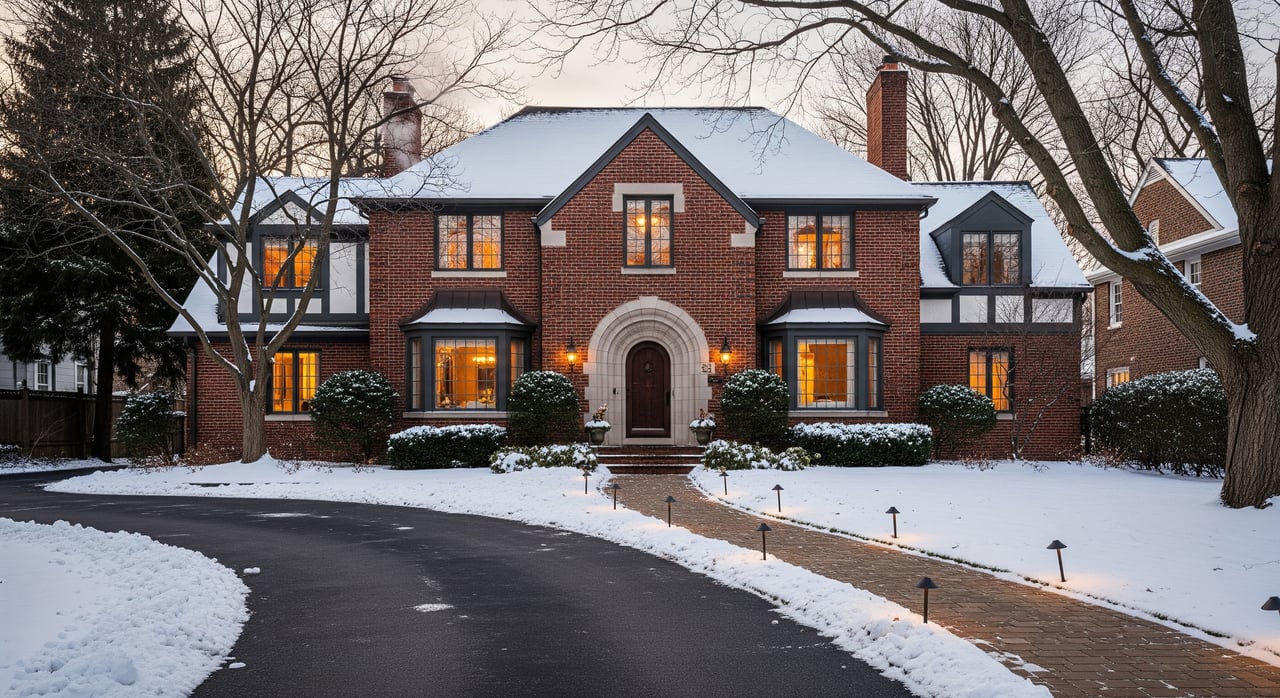
Wondering what your Arlington Heights home could actually sell for during the colder months? You’re not alone. Winter brings fewer listings and fewer casual shoppers, which can make pricing feel uncertain. The good news is that with the right comps, a clear seasonal adjustment, and a focused marketing plan, you can still achieve a strong outcome. Here’s how to set smart expectations and build a data-backed price for a winter sale. Let’s dive in.
What to expect in Arlington Heights this winter
Winter in the Chicago–Naperville–Arlington Heights area typically sees fewer new listings and fewer total showings. That smaller pool often includes a higher share of serious buyers who are ready to write offers. Days on market can run longer than in spring, but the seasonal price dip is usually modest.
Local conditions can shift year to year. If inventory is tight and buyer demand is steady, winter prices may hold or even improve. Mortgage rates, local employment trends, and how many homes are on the market will influence your result.
What this means for you: price accuracy and strong presentation matter more in winter. You want to meet motivated buyers where they are, present clearly, and reduce friction that slows decisions.
How to estimate your winter sale price
Your goal is a realistic, data-driven range that accounts for comps, current momentum, and seasonality.
Gather the right comps
- Pull 3 to 6 recent closed sales from your subdivision or within about a mile.
- Match key traits: bedroom and bathroom count, finished square footage, lot size, age, and condition.
- Favor closings from the last 3 months. If winter closings are scarce, widen to 6 months and note the time gap.
- Note active listings and pending sales. These show current competition and near-term demand.
Build a baseline value
- Calculate the median price per square foot from your best comps.
- Multiply by your home’s finished square footage to get a baseline.
- Adjust for upgrades and features: finished basement, kitchen and bath updates, garage size, lot, and outdoor space.
Adjust for momentum and seasonality
- Market trend: look at the most recent 1 to 3 months of median sale prices. If prices have ticked up, apply a small upward adjustment. If they’ve softened, adjust downward.
- Seasonal factor: compare winter months to the typical annual peak over the last few years. In many suburban markets, winter sits a few percent below the spring peak, but local data should drive your factor.
Set a list price that works
- Conservative (quick sale): price near the low end of your adjusted range.
- Market (likely outcome): list near the midrange with strong marketing and clean presentation.
- Aspirational (test the top): list at the high end with a plan to review interest and adjust after 7 to 14 days.
Tip: check the recent sale-to-list ratio. If most homes have been closing near or above list, buyers are competitive. If ratios are below 100 percent, plan for negotiation or buyer credits.
Read the demand: Who is buying now
Winter attracts buyers who need to move. You’ll often see relocations tied to new roles, families managing life events, and renters facing lease expirations. In Arlington Heights, proximity to Metra, major highways, and regional employers helps keep motivated buyers in the market even when the weather is cold.
These buyers value speed, clarity, and flexibility. Clean disclosures, a fair price, and a property that shows well can shorten decision time.
Pricing strategies that work in winter
- Market-accurate pricing: meet the market where it is. Correct pricing can draw the small pool of ready buyers quickly.
- Slightly aggressive positioning: list just under key comp levels or round down to hit price-band searches. This can increase showings and spark multiple offers when inventory is limited.
- Value pricing for speed: if timing is critical, price at or slightly below the most recent comparable closed sale to earn a faster offer.
- Premium pricing when demand is strong: if winter sales nearby are landing above list and inventory is scarce, a modest premium can be justified.
No matter the strategy, set a review window. If you don’t see strong activity in the first 7 to 14 days, adjust price or improve presentation.
Marketing that moves winter buyers
- Professional visuals: invest in great interior photography and a 3D or video tour. Clear walkways and salted paths matter for first impressions.
- Lead with lifestyle: highlight cozy living spaces, a fireplace, a mudroom, a heated garage, and storage that makes winter living easier.
- Energy and comfort: call out new or serviced HVAC, insulated windows, smart thermostats, and other efficiency upgrades.
- Targeted distribution: use polished listing copy, high-quality media, and a syndication plan that reaches buyers and their agents right away.
Showings that convert in cold weather
- Flexible scheduling: expect more private showings and weekday evenings. Holidays and weather can limit open house traffic.
- Make it welcoming: warm temperature, soft lighting, and clear surfaces help buyers picture living there. Remove heavy winter gear that crowds entries.
- Safety and convenience: provide shoe covers and keep driveways and sidewalks clear. Clear instructions help buyers and agents move through the home with ease.
Inspections, disclosures, and repairs
- HVAC and roof: service the furnace, change filters, and gather maintenance records. Be transparent about roof age, gutter care, and any history of ice dams.
- Plumbing and winterization: share steps taken to prevent frozen pipes. Fix small leaks and recaulk where needed.
- Snow and landscaping: clarify how snow removal will be handled during the listing and up to closing. If an HOA covers it, note that in the listing.
- Pre-list checkup: a pre-listing inspection can surface winter-specific issues before buyers use them to negotiate.
Timeline, negotiations, and concessions
- Build buffer time: weather and holidays can slow lender processing and inspections. Add a little cushion to your expected close date.
- Flexible terms: be open to a closing date that matches buyer needs. This can be as valuable as price to many winter buyers.
- Smart incentives: if rates are a hurdle, consider a modest seller credit or rate buy-down. A home warranty can reduce buyer concerns about winter systems.
- Stay transparent: complete disclosures and share maintenance histories. That reduces renegotiation risk after inspection.
What this means for your home
Winter can still be a solid time to sell in Arlington Heights. With fewer listings, your home can stand out, especially if you price with precision and present beautifully. Focus on accurate comps, apply a measured seasonal adjustment, and launch with strong marketing. If activity is slower than expected, adjust quickly.
If you want a clear pricing bracket and a tailored plan for this season, reach out. You’ll get a data-driven comparative market analysis, a winter-specific marketing strategy, and hands-on guidance from prep to closing. Connect with Jackie Manrique to get started.
FAQs
How do I price my Arlington Heights home for a winter sale?
- Use recent local comps, adjust for current momentum and a modest seasonal factor, then set a list price with a plan to review interest after 7 to 14 days.
How long do homes take to sell in Arlington Heights during winter?
- Days on market often run longer than spring, but strong presentation and accurate pricing can shorten your timeline even in colder months.
Should I wait until spring to list in Arlington Heights?
- Not necessarily. Winter has fewer listings and more motivated buyers. If your pricing and marketing are dialed in, you can achieve a strong result now.
What updates pay off before a winter listing?
- Prioritize HVAC servicing, lighting, paint touch-ups, entryway organization, and simple staging that highlights warmth, storage, and comfort.
Can I still get multiple offers in winter?
- Yes, if inventory is tight and your price is well positioned. Listing in a strong price band and launching with great media can increase your odds.
How do mortgage rates affect my winter sale price?
- Higher rates can limit buyer budgets and increase requests for credits, while stable or lower rates can support stronger pricing and faster decisions.
